

How to Split Online Service Subscriptions
A complete guide to splitting streaming and digital service subscriptions safely, saving money without putting your accounts at risk.

Splitting online service subscriptions has become increasingly common. It allows people to share the cost of streaming platforms and other digital services, potentially creating meaningful savings.
As subscription prices rise, many people look for practical ways to reduce recurring expenses. Sharing a subscription can help, but it needs to be done safely and within the provider’s rules.
Some specialized platforms can also help organize the process. They make it easier to manage participants and payments. But how do you decide what works best for your group?
This guide explains how to split subscriptions effectively. It covers practical organization, payment management, security, and the terms you should check before sharing.
What does splitting a subscription mean?
Splitting a subscription means sharing the cost of an online service with other people. This may include streaming services, apps, digital publications, and more. Depending on the provider’s rules, several users may access the service through one eligible plan.
This arrangement is especially common among families and friends. When a plan allows multiple members, dividing the total can make the service significantly more affordable for each participant.
Start with three basic decisions:
- Choose the service: identify the subscription you want to share.
- Find trustworthy participants: invite people you know and trust.
- Set clear rules: make sure everyone understands their responsibilities.
Understanding this arrangement from the beginning helps prevent problems later. Open communication and clear agreements are essential for a smooth experience.
Advantages and disadvantages of sharing subscriptions
The most obvious advantage is saving money. When several eligible participants divide the price, each person pays only part of the total, making some services more accessible.
Another benefit is the ability to access different platforms without putting as much pressure on an individual budget. A family or group of friends can coordinate several subscriptions according to everyone’s interests.
There are also disadvantages. Sharing login details may create security risks, and disagreements can arise over missed payments or how the account is used. To reduce those problems:
- Define usage rules: clarify limits and responsibilities.
- Manage payments: use a reliable way to track each contribution.
Weighing the benefits against the risks will help you decide whether sharing is right for your group.
Platforms for organizing shared subscriptions
Some platforms are designed to help people organize shared online subscriptions. They can make it easier to manage groups and monthly contributions without relying on scattered messages or informal notes.
In general, these tools let you create groups for different services, keep track of who participates, and follow the payment history. Before choosing one, consider:
- Transaction security: prefer services with reliable payment methods and clear data-protection practices.
- Ease of use: an intuitive interface reduces mistakes and repeated work.
- Customer support: responsive support can help resolve questions quickly.
The right tool can bring more clarity and consistency to the process of sharing subscription costs.
How to split subscriptions safely
Start by checking the service provider’s current rules. Confirm whether sharing is allowed, who is eligible to participate, and whether the plan has household, family, location, or device restrictions.
Choose carefully whom you share with. Close friends or family members are usually the safest option. Agree on how the account will be used before adding anyone.
Use these basic precautions:
- Use trustworthy services: check the reputation and security practices of any management platform.
- Protect your information: do not expose sensitive passwords unnecessarily.
- Set usage limits: agree on who can access the service and under what conditions.
These practices help you save without compromising the security of your account.
Tips for managing payments and responsibilities
Payments can become the hardest part of sharing a subscription. Create a simple system for dividing recurring costs, and choose one person to coordinate the billing and confirm that everyone pays on time.
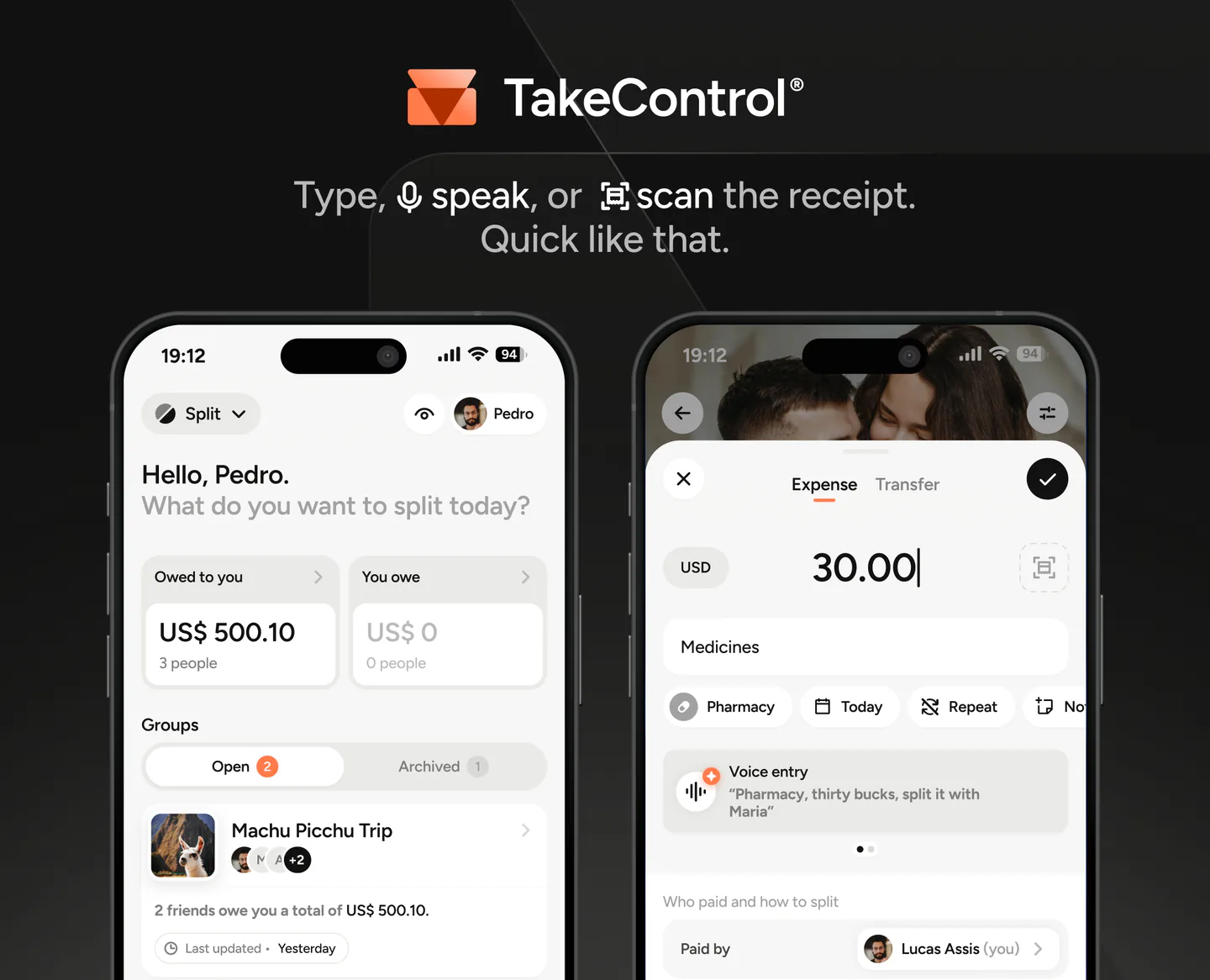
An expense-splitting app can make this routine easier. It records each person’s share and keeps the payment history visible, reducing forgotten transfers and repeated reminders.
For a more reliable system:
- Automate recurring records: use an app to register the shared cost each billing cycle.
- Choose a coordinator: assign one person to manage the subscription payment.
- Send reminders: make sure everyone knows the reimbursement date.
These habits reduce misunderstandings and keep the group’s finances transparent.
Legal considerations and terms of service
Sharing a subscription may seem straightforward, but every provider has its own terms. Streaming platforms and other digital services can impose specific rules on account sharing, household membership, devices, or locations.
Read the current terms before sharing. Confirm what is permitted and under which conditions so that the group does not accidentally violate the agreement.
Pay attention to three points:
- Read the terms of use: understand the account-sharing rules.
- Check user and device limits: plans may restrict profiles, members, or simultaneous access.
- Respect eligibility requirements: include only people who meet the provider’s conditions.
Following the rules protects both the account and the money everyone has contributed.
Practical examples: splitting Netflix, Spotify, Disney+, and other services
Sharing streaming subscriptions is a common way to reduce recurring costs and access a broader range of content. However, each service handles plans, members, and account access differently.
Before dividing the price, confirm how many members or profiles the current plan supports and whether participants must belong to the same household or family group. Separate profiles or individual member accounts can also help preserve personal recommendations and histories when the service offers them.
For popular services:
- Netflix: review the current household and extra-member rules for your country.
- Spotify: use an eligible Duo or Family plan and follow its address requirements.
- Disney+: check the plan’s current household and simultaneous-stream limits.
Following each platform’s current rules is the best way to avoid interruptions or access problems.
How to find trustworthy people to share subscriptions with
Start with close friends or family members who already have a relationship of trust with you. They are more likely to communicate clearly and pay on time.
If you consider sharing with people you do not know personally, be especially careful. Review the platform’s protections and avoid sharing sensitive credentials or payment information.
Look for three qualities:
- Transparency: agree on the terms before anyone joins.
- Communication: keep in touch about payments and account changes.
- Reliability: prioritize people with whom you already have an established relationship.
Choosing participants carefully makes the arrangement safer and easier for everyone.
Common subscription-sharing problems and how to solve them
Late payments are one of the most common problems. They can create discomfort or even interrupt access to the service. Account access, device limits, and changes in usage can also lead to disagreements.
To handle these situations:
- Set rules in advance: define payment dates, usage limits, and what happens when someone leaves.
- Communicate clearly: discuss price or plan changes before the next billing cycle.
- Use an app: keep payments and balances recorded in one place.
A clear agreement from the start makes most conflicts easier to prevent or resolve.
Future trends in subscription sharing
Shared subscriptions continue to influence how people consume digital services. Providers may keep developing plans for households, families, teams, or additional members while investing in better account controls and security.
At the same time, users are becoming more careful about recurring expenses. Tools that make participation, payments, and plan rules clearer can become increasingly useful as the number of subscriptions grows.
Is splitting subscriptions worth it?
Splitting subscriptions can be practical and economical when the provider allows it and everyone follows the agreement. It reduces individual costs and can make useful services accessible to more people.
Success depends on trust, clear communication, and reliable payment tracking. With the right precautions—and an app such as TakeControl to record who paid what—sharing subscriptions can be well worth it.

I created TakeControl to make splitting expenses between couples and on trips simpler. Here, I share tips, app updates, lessons learned, and content to make managing shared expenses easier.
Frequently asked questions
It can be, as long as you use trustworthy platforms, share only with people you trust, and avoid exposing sensitive passwords. Clear usage rules and payment tracking greatly reduce the risks.
It depends on the plan. Each service sets its own limit for profiles or simultaneous streams. Always check the current terms before sharing.
Choose one person to coordinate the payments, set a fixed reimbursement date, and use an expense-splitting app such as TakeControl to record who has paid and send reminders. This helps prevent delays and misunderstandings.
In many cases, yes. Splitting the cost can make useful services more affordable and produce meaningful savings over a year. Clear communication and trust among participants are essential.
