

Barbecue with friends: how to settle the bill without the awkwardness
From planning to final settlement: how to build a cost list, set the amount per person, and collect money without awkward conversations at group events.

Picture this: your friend group decides to throw a birthday barbecue. Everyone gets excited, one person volunteers to buy everything, the party happens and then comes the silence. Nobody brings up the money. The person who fronted the costs is either out of pocket or has to chase everyone down one by one, which is uncomfortable for all involved.
This plays out constantly in friend groups, families, and coworker circles. It is not bad intentions; it is just a lack of upfront agreement.
The good news is that with a simple plan, you can organize a backyard barbecue, a birthday dinner, or any group event without the financial stress. Here is how.
What goes wrong when nobody agrees on costs beforehand
When expense-sharing is not settled before the event, a few classic problems tend to show up.
One person fronts everything and chases people down after. The organizer buys all the supplies, the event happens and then the real work begins: texting everyone, waiting for transfers, and watching some people conveniently disappear.
The final number becomes a mystery. Without records, nobody knows exactly what was spent. Estimates vary, arguments start over what should or should not be included, and things get tense.
Drinkers and non-drinkers pay the same amount. One of the most common friction points: half the group does not drink alcohol, but the total is split equally anyway. Someone always walks away feeling like it was unfair.
The organizer ends up doing double the work. On top of coordinating the whole event, they still have to manage the money after the fact.
All of these problems are avoidable, and the fix starts before anyone sets foot in a grocery store.
How to plan and split group event expenses cleanly
Build a cost list before you buy anything
Start by separating expenses into clear categories.
Fixed items: meat, chicken, sausages, charcoal, salt, side dishes, bread, condiments, and disposable plates and cutlery.
Drinks: beer, soda, water, juice. Depending on your group, this category can be split only among those who drink.
Extras: birthday cake, decorations, party favors.
Once the list is ready, price everything out for your area. A useful starting point: for events lasting up to four hours with sides, plan for about 12 to 14 oz of meat per person.
Set the amount per person before spending a cent
Add everything up and divide by the number of confirmed guests. But before locking in that number, think through a few things.
Add a 10 to 15 percent buffer for surprises: spoiled ingredients, forgotten items, or price changes. If you include drinks in the total, calculate them separately so non-drinkers can pay a lower amount. Kids often pay half or nothing, depending on what the group agrees.
Once you have the number, share it in the group chat before making any purchases, not after. This prevents surprises and turns payment into a normal part of the planning process.
Collect the money before you buy
Asking people to pay after the event is how stress gets created. Asking before is the better path.
A few practical ways to handle this:
Set a payment deadline, share a payment link or account number in the group, and only confirm the event once you have reached the full amount. Keep a record of each payment received so you can share a clear breakdown with the group. If the total comes in short, adjust the menu rather than covering the gap yourself.
When people pay upfront, they commit to showing up, and you are protected if someone cancels last minute.
Track every expense in one place
Even when everyone pays a flat contribution upfront, unexpected costs always pop up: the ice that ran out, the extra bag of chips, the fee for using the venue. Tracking these additions matters for a clean final accounting.
TakeControl handles this well. You create a group for the event, log each expense with who paid, and the app figures out automatically who owes what to whom. No spreadsheet, no mental math, no “I thought we already settled that” conversations.
If one of the organizers spent more than their share, the app shows their balance clearly, which makes settling up at the end straightforward.
Close the books within 24 hours
The best time to finalize the numbers is the day after the event, while receipts are still available and everyone still remembers what was bought.
If you used an app to track expenses, share the summary in the group. It shows that the math was objective and transparent, not just someone’s estimate from memory.
When the flat-fee model works and when it does not
A flat contribution per person works best when the group is large and the organizer does not want to front a big amount. Everyone pays in advance, the event is funded, and there is nothing to settle afterward.
It works less well for small groups of four to six people, where it is often simpler for everyone to pitch in on purchases as they happen and settle the difference afterward using an app. For larger groups of fifteen or more, the upfront contribution model is practically essential.
One important thing to nail down before the event: what happens if someone confirms and does not show. If purchases were already made based on confirmed numbers, the person who canceled last minute should still pay. It sounds strict, but it protects the organizer from real financial losses caused by late cancellations.
The same logic applies beyond the backyard barbecue
These principles work just as well for birthday parties, holiday dinners, team lunches, and casual hangouts. The core idea is always the same: agree on costs clearly, communicate before spending, and keep a shared record.
For smaller gatherings of six to eight people, a shared note on your phone may be enough. For larger events, a dedicated expense-splitting app saves time and prevents the kind of misunderstandings that linger long after the party is over.
Wrapping up
Barbecues and birthday parties are supposed to be fun. The best way to protect that is to handle the money side before the event, not after. A clear cost list, a number everyone agreed to, and a record of every expense means the only thing left to do at the end of the night is say goodbye.
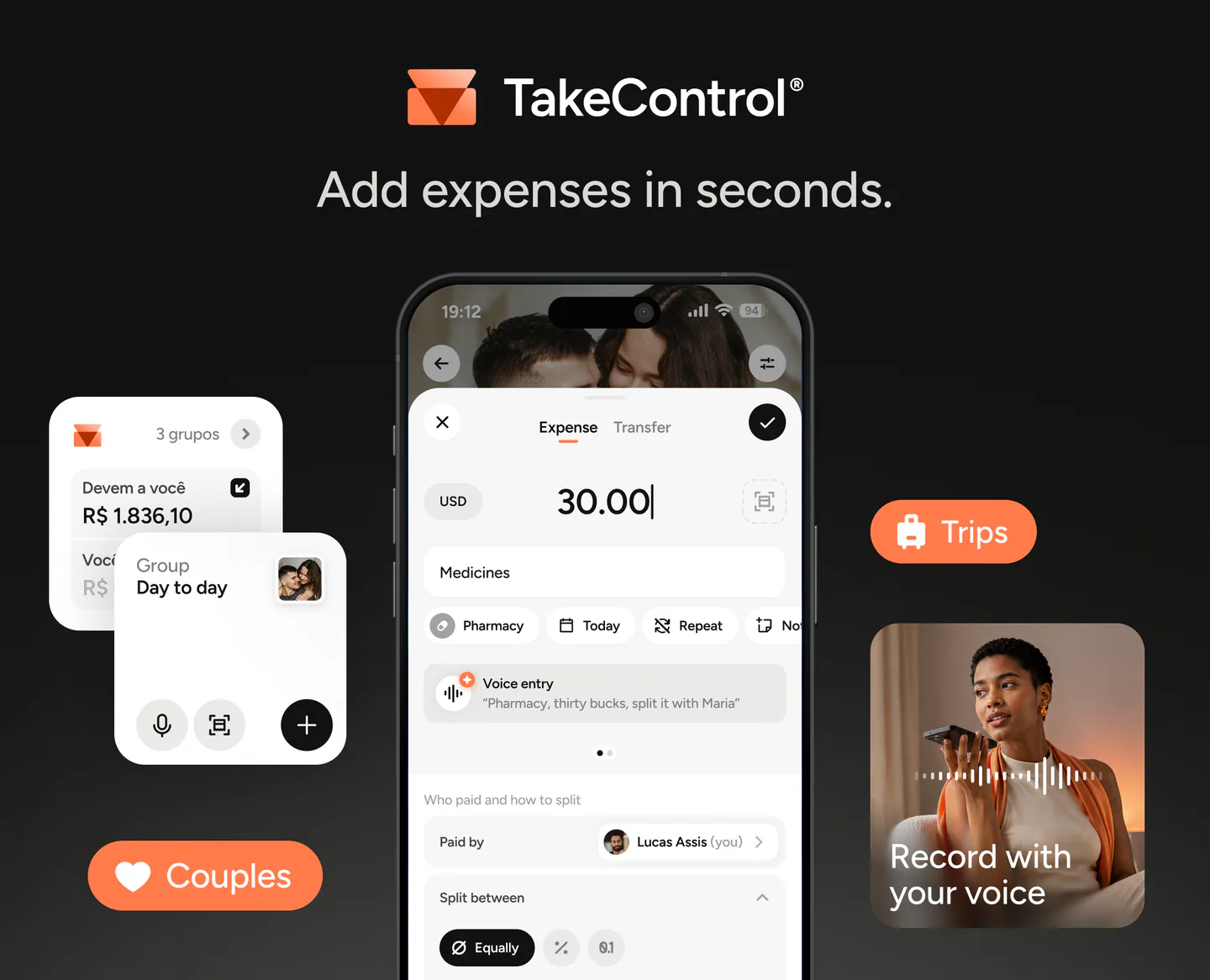

I created TakeControl to make splitting expenses between couples and on trips simpler. Here, I share tips, app updates, lessons learned, and content to make managing shared expenses easier.
Frequently asked questions
Set the amount per person before the event and announce it in the group chat before buying anything. Asking upfront makes payment a normal part of the planning, not an uncomfortable request after the party is over.
That depends on your group. A common approach is to divide food and supplies equally and split drinks only among those who consume them. Apps like TakeControl let you track each type of expense separately.
Agree on a cancellation policy beforehand. If purchases were already made based on confirmed headcount, it is fair for no-shows to pay their share, since their absence still cost the group money.
Collect contributions before you buy anything. Share a payment link or account number in the group and only confirm the event once you have enough money in hand to cover the costs.
TakeControl is a practical option: create a group for the event, log each expense as it happens, and the app automatically shows who owes what to whom, with no spreadsheets needed.
