















Cruise with friends: how to split the cabin, gratuities, and onboard costs
Separate the fare, stateroom, gratuities, excursions, packages, and onboard account so friends only pay for the cruise costs they share.

One friend put both stateroom deposits on a credit card. Someone else booked the ride to the terminal. Once onboard, each guest taps a cruise card for drinks, Wi-Fi, specialty dining, or an excursion—but more than one guest’s spending may be backed by the same payment method. At the end of the sailing, there is no single total that should automatically be divided by four.
The practical way to split cruise costs with friends is to keep the cost of getting on the ship, the cost of doing something together, and personal consumption in separate buckets. Make the rule before the first deposit, then use it through the final onboard statement.
This guide focuses on costs that are specific to cruising. For the broader conversation about budgets and group decisions, start with the group trip planning guide.
Use three ledgers, not one pot
Sort every expected cost before debating percentages:
| Ledger | Typical costs | Who belongs in the split |
|---|---|---|
| Booking | cruise fare, stateroom, booking taxes and fees, shared insurance | guests on that booking, under the pre-booking agreement |
| Group plans | terminal transfer, shared taxi, private guide, group meal | only the people who used or joined it |
| Personal spending | beverage package, Wi-Fi, spa, casino, shopping, solo excursion | the guest who bought or incurred it |
Service charges and gratuities need their own budget line, but not a universal rule. Depending on the cruise line, fare, and market, they may be included, prepaid, or posted to each guest’s onboard account. The confirmation and passenger contract for your sailing are more reliable than a friend’s experience on a different ship.
This structure prevents two common mistakes: treating every purchase as communal because everyone traveled together, and treating the cardholder who guaranteed the account as the person responsible for everyone’s spending.
Split the stateroom around the benefit received
If four friends occupy two equivalent double staterooms, dividing the combined cost into four equal shares may be perfectly reasonable. It needs another conversation when the booking includes:
- a solo stateroom;
- a balcony or suite selected by part of the group;
- different occupancy across rooms;
- a clearly less desirable bed or sleeping arrangement;
- a credit or discount attached to one traveler.
Work from the booking invoice, not only the advertised per-person price. The invoice is where you can see guest-level charges, room-related amounts, taxes, and applied credits. Then choose a rule the group can explain in one sentence.
One useful method is to agree on the room option everyone would have accepted. Split that base using the group rule. The traveler who wanted an upgrade covers the difference—or shares it with the roommate if both chose the benefit. If one person wanted private occupancy, the resulting supplement does not automatically belong to the rest of the group.
Record the deposit and every installment as soon as they are paid. Being the organizer should not mean quietly financing everybody until embarkation.
Budget for more than the cruise fare
A realistic cruise budget may include:
- travel to the port and a pre-cruise hotel night;
- the fare, booking fees, insurance, and room differences;
- gratuities or service charges;
- beverages, internet, and specialty dining;
- excursions, local transport, and meals ashore;
- shopping, spa, laundry, casino, and medical services;
- room for card holds, foreign exchange, and late-posting charges.
Inclusions differ by operator and fare. Read the current documents instead of assuming that “all-inclusive” means the same thing on every ship. As one example, Royal Caribbean describes SeaPass as a cashless onboard expense account that guests can review during the sailing. MSC says its onboard statement breaks out charges such as specialty dining, beverages, spa services, excursions, shopping, and internet. Other lines may use different names and procedures.
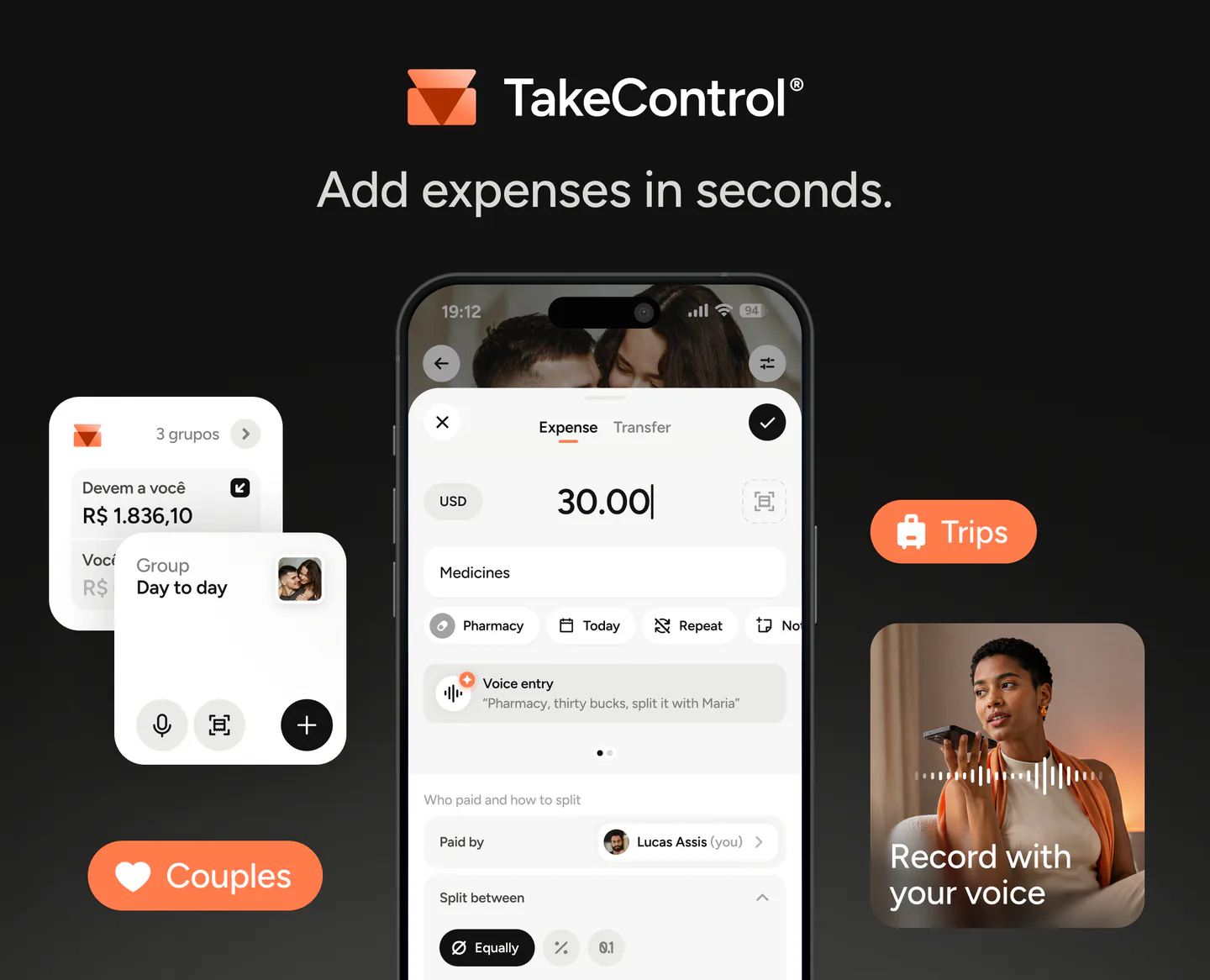
In TakeControl, create one total trip budget with categories such as booking, onboard, ports, and excursions. That keeps the group’s remaining budget separate from each person’s shopping money.
Do not mistake an onboard card for a shared bill
The ship card or app identifies onboard purchases, but the payment method guaranteeing the account may belong to someone else. Before sailing, ask whether each adult can attach a separate payment method or maintain an individual account. If one main account authorizes several guests, agree on a review routine.
During the cruise:
- each traveler checks their charges in the cruise line’s app, cabin TV, or available account channel;
- genuinely shared expenses go into TakeControl with the right participants;
- personal purchases remain assigned to the person who made them;
- refunds and onboard credits reduce the related cost rather than becoming vague group income.
Review the account halfway through the sailing and again before disembarkation. Once the final amount reaches the backing card, untangling a charge assigned to the wrong guest can take more effort. The cardholder should also leave room for any authorization holds used by the cruise line or bank.
Assign gratuities and packages guest by guest
“Service charge,” “automatic gratuity,” and “tip” do not have identical rules across every cruise. Some charges are assessed per guest per day; some fares include them; local sales terms can also matter. For example, Royal Caribbean’s current gratuity policy describes daily charges to each guest’s SeaPass account when gratuities were not prepaid. Check your own sailing instead of copying a rate from another itinerary.
When the charge is passenger-specific, assign it to that passenger. If several friends choose to tip a private guide or driver extra, divide that amount among the participants who agreed.
Beverage packages, Wi-Fi plans, specialty dining packages, and spa treatments should also start as personal costs. Mia’s internet plan does not become communal because her friends share the same room. If a cruise line applies purchase conditions to other occupants, discuss who will benefit and whether the package still works for the group before buying it.
Split port days by actual participation
A friend group can branch into three plans at the same port: two people take a guided tour, one stays onboard, and another explores independently. The excursion, local transfer, and lunch belong to the participants—not everyone listed on the reservation.
For a taxi or private guide, add only the riders. For a nonrefundable booking, agree before payment what happens if someone drops out: that person keeps their share, the remaining participants absorb it, or the group finds a replacement. A cancellation is the wrong time to invent the rule.
If the onboard account uses a different currency from the one friends use to repay each other, preserve the original charge. The guide to splitting travel expenses in multiple currencies explains how to avoid converting the same purchase twice.
Example: four friends, two staterooms
Alex, Jordan, Priya, and Sam book two equivalent staterooms for seven nights. The fare and booking charges total $6,400, so they agree to a $1,600 share each. Alex pays the booking, and TakeControl records the other three travelers’ portions without requiring an immediate string of transfers.
Later:
- a $160 terminal shuttle is split four ways: $40 each;
- a $900 shore excursion has three participants: $300 each;
- a $240 specialty dinner has two participants: $120 each;
- Sam’s $180 Wi-Fi plan remains entirely Sam’s;
- gratuities and onboard purchases follow the guest named on the statement.
Jordan paid for the shuttle, Priya advanced the excursion, and Alex covered the booking. They do not need to reimburse every purchase separately. The final balance offsets all advances and shows the smallest practical set of repayments.
Checklist before you sail
- confirm what the fare includes and what can post later;
- agree on stateroom and upgrade shares;
- record deposits, installments, credits, and refunds;
- identify the participants in each excursion and transfer;
- confirm how onboard accounts, gratuities, and payment methods work;
- keep packages and personal shopping separate;
- review the statement before disembarking;
- settle only after the last charge is accounted for.
Fair does not mean every traveler spends the same amount. It means each cost reaches the people who chose it, used it, or benefited from it. Download TakeControl, create the group before the first deposit, and have the math finished before the ship returns to port.

I created TakeControl to make splitting expenses between couples and on trips simpler. Here, I share tips, app updates, lessons learned, and content to make managing shared expenses easier.
Frequently asked questions
Separate the booking, genuinely shared plans, and personal purchases. Use the agreement made before booking for the fare and stateroom, divide transfers and activities among the people who joined, and leave packages and individual onboard charges with the guest who bought them.
An equal split works when the accommodations and benefits are comparable. If someone chose a balcony, suite, single occupancy, or another upgrade, agree on a shared base price and assign the extra cost to the traveler or cabin receiving the upgrade.
Cruise lines, fares, and sales markets use different rules. When a service gratuity is charged per guest, the cleanest approach is for each traveler to cover their own line. An extra tip offered by the group should be shared only by the people who agreed to it.
Usually not. They are tied to a specific passenger’s eligibility and use. Treat them as shared only when the benefit can genuinely be shared under the cruise line’s rules and everyone included agreed before the purchase.
Split the excursion only among its participants. Apply the same rule to a taxi, shuttle, private guide, or meal during that port day. Decide in advance who pays if a nonrefundable participant cancels.
Review the guest name, date, amount, currency, credits, refunds, service charges, and pending purchases. If one payment method backs spending for several guests, identify every charge before leaving the ship.
